


As the 2026 edition of Arabian Travel Market looks ahead to 2040, leaders from four diverse global destinations – Dubai, Italy, Peru and Seychelles – join an ATM roundtable to share how leisure travel is evolving toward purpose, regeneration, technology led personalisation and resilient growth
The destination leaders
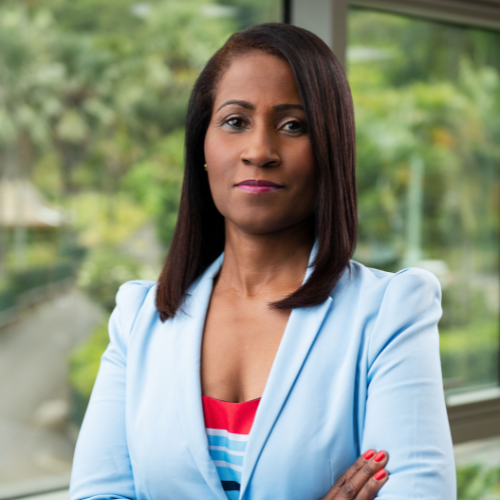
Hoor Al Khaja
Senior Vice President, International Operations, Dubai Corporation of Tourism and Commerce Marketing (DCTCM), part of the Dubai Department of Economy and Tourism (DET)

Alessandra Priante
President, ENIT – Italian Tourism Board

María del Sol Velasquez
Director of Tourism Promotion, PROMPERÚ

Bernadette Willemin
Director General for Destination Marketing, Seychelles Tourism Department
Leisure travel at a turning point
As Arabian Travel Market (ATM) prepares for its 2026 edition (May 4-7) under the theme ‘Travel 2040: Driving New Frontiers Through Innovation and Technology’, the global travel industry is being challenged to think beyond recovery and toward reinvention.
According to the latest ATM Travel Trends forecasts, global leisure travel spending is on course to reach an estimated $15 trillion by 2040, up from roughly $5 trillion in 2024, while leisure tourism nights in the Middle East are expected to grow by nearly 87% by 2030, outpacing other regions and positioning the MENASA region as one of the fastest-growing markets in the world.
Leisure travel remains the industry’s largest and most influential segment, yet its future will be defined not by volume alone, but by values: purpose-led journeys, regenerative impact, intelligent use of technology, and resilience in the face of climate and geopolitical uncertainty.
In this roundtable based on interviews with the heads of four destinations exhibiting at ATM, Dubai explores hyper-personalisation and future-ready urban tourism; Italy champions transformation, humanity and depth over distance; Peru focuses on community led growth and decentralisation; and Seychelles positions itself as a living model for regenerative island tourism.
Together, they offer a snapshot of how leisure travel is being re-written for 2040.
ATM destination leader roundtable
Redefining the leisure traveller
Q1: How do you see leisure travellers changing by 2040, in motivations, expectations, and travel styles?
Dubai: Leisure travellers will increasingly seek hyper-personalised experiences that combine digital immersion with cultural authenticity. Expectations among a tech-savvy, younger, and more environmentally conscious generation will centre on innovation, accessibility, sustainability, and seamless connectivity. Motivations will shift towards purpose-driven journeys, prioritising wellness, a desire for authentic cultural immersion and responsible tourism, while travel styles will continue to evolve into hybrid experiences, blending professional and personal itineraries.
Underpinned by visionary strategies like the Dubai Economic Agenda, D33, the Quality of Life Strategy 2033, and the Dubai 2040 Urban Master Plan, Dubai is consistently evolving and adapting its tourism value proposition, allowing it to leverage and drive emerging trends and the demands of international travellers. We are enhancing connectivity and accessibility, while pioneering initiatives such as the upcoming GITEX TechCation for bleisure travellers. Our hotel incentive programme further stimulates new offerings in future high-growth areas in the city, including Dubai South, Palm Jebel Ali, Dubai Parks, and Dubai Islands, ensuring Dubai remains at the forefront of global tourism, delivering unparalleled experiences for the future traveller.
Italy: By 2040, the leisure traveller will be far more conscious, selective, and emotionally driven. Travel will no longer be about checking in to destinations but about connecting with them. People will seek depth over distance, experiences that enrich their sense of identity, belonging, and wellbeing.
We are witnessing an evolution from tourism as consumption to tourism as transformation, with time, silence, and authenticity becoming the new luxuries. Italy, with its unique blend of art, nature, and humanity, offers an extraordinary canvas for this kind of travel.
Peru: By 2040, leisure travellers will seek more immersive and meaningful experiences, moving beyond traditional sightseeing to connect deeply with local cultures and communities. Personalised trips will become the norm, with travellers expecting itineraries that reflect their unique interests, values, and lifestyles rather than generic packages. AI complements these efforts by analysing tourist behaviour and preferences to generate personalised recommendations.
Additionally, sustainability and ethical considerations will increasingly influence travel choices, with many seeking experiences that positively impact the destinations they visit.
Seychelles: By 2040, we see the profile of the leisure traveller as one that will be more conscious, connected, and curious. Tourism Seychelles foresees travellers seeking experiences that are purposeful and transformative, where wellbeing, authenticity, and sustainability are at the heart of every journey.
The new generation of visitors will not only wish to see the islands but to feel them, engaging with local communities, nature, and culture in meaningful ways. They will value immersive, personalised experiences over traditional sightseeing, and use technology to deepen rather than distract from their connection with a destination. For Seychelles, this shift aligns perfectly with our vision of offering experiences rooted in our natural beauty and cultural soul, inviting visitors to slow down, reconnect, and discover the essence of island living.
Balancing growth with meaning
Q2: How are you planning for growth that also preserves authenticity, culture, and environment?
Dubai: Our growth strategy emphasises sustainable, long-term expansion while honouring our cultural roots. It is anchored in the vision of His Highness Sheikh Mohammed bin Rashid Al Maktoum, Vice President and Prime Minister of the UAE and Ruler of Dubai, to transform Dubai into the best city to visit, live and work in.
The Dubai Can initiative is reducing plastic waste, while the Dubai Sustainable Tourism (DST) initiative is promoting sustainability in Dubai hotels, setting standards for the sector to adhere to, and working closely with partners to ensure the city delivers on its promise.
Dubai’s unique culture is woven into every aspect of its society, reflecting both Emirati heritage and the contributions made by the almost 200 nationalities living in Dubai. Heritage destinations across the city such as Al Fahidi Historical Neighbourhood, including Al Fahidi Fort, and Deira’s newly launched heritage trails bring much of this to life. Our vibrant gastronomy scene also celebrates diverse culinary traditions, with cultural food tours in Old Dubai recently named among Lonely Planet’s top global experiences for 2026, further highlighting Dubai’s multifaceted appeal.
Italy: Growth must be intelligent, not expansive. The focus for the years ahead is on quality over quantity, ensuring that every journey adds value to visitors, to residents, and to the environment.
Our national vision is to foster balance, encouraging the discovery of lesser-known destinations, supporting the creative and cultural fabric of communities, and protecting the landscapes that define our identity. The goal is not only to preserve authenticity but to make it thrive, transforming tourism into a living expression of who we are.
Peru: Peru has developed initiatives to ensure the long-term sustainability of its tourism sector. These initiatives include promoting community-based tourism, supporting locally owned accommodations and services, and encouraging responsible behaviour on the part of visitors and its iconic destinations such as Machu Picchu and the Amazon rainforest.
Seychelles: Our development strategy prioritises quality over quantity, ensuring that growth in visitor numbers never compromises the Seychelles’ unique ecological and cultural fabric. Tourism Seychelles continues to promote low-impact, high-value tourism that benefits both residents and visitors.
We are strengthening community based initiatives, supporting local artisans and entrepreneurs, and promoting Creole heritage through gastronomy, music, and crafts. Through careful planning and zoning, as well as continuous collaboration with environmental and community partners, we aim to maintain the delicate balance between economic growth, cultural preservation, and environmental stewardship that defines our destination.
Technology as a travel companion
Q3: How is your destination using technology to enhance the visitor experience, without losing the human touch?
Dubai: We leverage technology to personalise and streamline the visitor journey while ensuring human connection remains central. The recent citywide introduction of a one-time contactless hotel guest check-in solution is an example of how we are setting global benchmarks for guest convenience, safety, and innovation in the hospitality sector, allowing guests to bypass in-person check-in procedures once implemented at the city’s hotels and holiday homes. This is complemented by extensive human training.
Dubai College of Tourism (DCT), part of the Dubai Department of Economy and Tourism (DET), manages the Dubai Way online platform, which empowers tourist-facing staff with skills to provide inclusive experiences, particularly for People of Determination, fostering empathy and understanding in every interaction. The College has trained more than 70,000 professionals in the delivery of inclusive service, ensuring that as systems become smarter, our people become more empathetic and culturally fluent to deliver personalised experiences that technology alone cannot provide. Every digital milestone therefore amplifies, rather than replaces, the warmth of human connection.
Italy: Technology should serve connection, not replace it. The future lies in using digital innovation to simplify access, enhance interpretation, and personalise discovery, while keeping the human touch at the centre.
AI, VR, and data intelligence can help travellers navigate responsibly and meaningfully. But what makes Italy unique, and what must never be lost, is its humanity, the smile behind the counter, the artisan’s story, the emotion in a guide’s voice. Technology must amplify that, never erase it.
Peru: Extended Reality (ER) and Artificial Intelligence (AI) can be strategically used to promote alternative destinations and decentralise visitor flow from over-visited sites such as Machu Picchu. ER virtual visits and immersive experiences that allow tourists to explore popular attractions remotely.
This not only provides a taste of the experience without the physical impact but also makes heritage sites more accessible to people with mobility limitations or time constraints.
Seychelles: In Seychelles, technology is a powerful ally in creating a seamless yet soulful visitor journey. From digital visitor information platforms and smart sustainability tracking systems to virtual tours and augmented-reality storytelling, we are integrating innovation in ways that enhance discovery without replacing genuine human interaction. A key example is the Tourism Department’s mobile application designed to provide visitors with real-time information, interactive maps, and curated itineraries that showcase the islands’ attractions, events, and cultural highlights.
Our aim is to use technology to simplify logistics, personalise experiences, and provide timely insights, allowing visitors to spend less time planning and more time connecting. Every digital enhancement is guided by our commitment to authentic Seychellois hospitality, ensuring that innovation complements rather than replaces the warmth and personal touch that define the Seychelles experience.
The rise of regenerative and responsible travel
Q4: How are you moving from sustainable to regenerative tourism, restoring ecosystems and empowering local communities?
Dubai: Sustainability remains a priority through the DST initiative, which sets hospitality standards and recognises hotels through the DST Stamp. The Dubai Can Refill for Life initiative is also encouraging visitors and residents to shift away from single-use plastic water bottles through refill stations across the city.
Beyond that, DET and other tourism sector stakeholders are driving Dubai Reef, a pioneering purpose-built reef development and one of the largest in the world. Focused on marine habitat restoration, marine life rehabilitation, and conservation research, the project aims to increase biodiversity and protect coastal ecosystems for generations to come.
Italy: The next frontier is regeneration, restoring what tourism touches. This means creating travel models that actively rebuild ecosystems, sustain biodiversity, and strengthen cultural identity.
The vision is for visitors to leave a positive trace, not just offsetting their footprint, but contributing to the resilience of landscapes and communities through conscious choices, circular hospitality, and meaningful encounters with place and people.
Peru: Through PROMPERÚ, we work with local partners to strengthen their capabilities and promote initiatives that allow travellers to engage directly with ancestral cultures and biodiversity conservation. In destinations such as Puno, Cusco and Arequipa, local families lead sustainable lodging, guiding, and cultural experiences that generate income while protecting their environment.
PROMPERÚ highlights the importance of travellers leaving destinations better than they found them, reflecting a global shift toward responsible tourism as a catalyst for renewal. Guided by this philosophy, PROMPERÚ envisions a tourism sector that unites responsible enterprises, strengthens local economies, and celebrates cultural pride.
Seychelles: Tourism Seychelles is moving decisively from sustainability toward regeneration, ensuring that tourism actively restores, rather than merely sustains, our environment and communities. Through initiatives such as coral restoration projects, marine conservation partnerships, and habitat rehabilitation programmes, tourism revenue directly contributes to ecosystem health.
We also champion training and empowerment initiatives that give Seychellois communities a stronger voice in shaping tourism’s future. By 2040, Seychelles aims to be a living example of regenerative island tourism, where each visitor becomes part of a collective effort to preserve and renew natural and cultural heritage.
Welcoming every traveller
Q5: How is your destination ensuring that leisure travel is open, accessible, and enriching for all?
Dubai: Dubai is committed to ensuring accessibility for all visitors and residents. In April 2025, Dubai was recognised as the first Certified Autism Destination in the Eastern Hemisphere. More than 70,000 individuals have been trained in autism and sensory awareness across hotels, attractions, and airports.
Dubai International Airport became the first international airport to achieve Certified Autism Centre status, training more than 53,000 employees in hidden disabilities practices and offering enhanced support for People of Determination. Dubai also hosts the Accessible Travel and Tourism International Conference and is recognised as one of the safest cities globally, supported by dedicated services for female travellers.
Italy: Accessibility and inclusion are fundamental to the future of tourism. The aim is to make travel open, enriching, and joyful for everyone, regardless of age, origin, or ability.
The focus is on inclusive infrastructure, digital accessibility, and empathy-based service training. True hospitality lies not only in removing barriers but in celebrating diversity as a value.
Peru: Peru focuses on the proper conservation of attractions, allowing everyone to enjoy them sustainably. The country strives to be a safe, well-managed, and emotionally transformative destination.
At the same time, Peru promotes investment in tourism infrastructure such as hotels, restaurants, and transportation services while supporting community based tourism and locally owned services that foster inclusive, meaningful experiences.
Seychelles: Accessibility and inclusivity are core to Seychelles’ long-term tourism vision. We are enhancing infrastructure and digital accessibility to ensure travellers of all abilities, backgrounds, and identities feel welcome and safe.
Initiatives such as Creole Rendezvous experiences celebrate inclusivity by inviting visitors to engage with Seychellois culture through music, cuisine, crafts, and storytelling, creating meaningful exchanges for all.
Preparing for the unpredictable
Q6: What steps are you taking to build resilience into tourism planning through 2040, from climate to geopolitics?
Dubai: Resilience is central to Dubai’s long-term tourism vision, reflecting the city’s commitment to sustainable growth, global competitiveness, and future readiness under visionary leadership, and aligned with the Dubai Economic Agenda, D33 and the Dubai 2040 Urban Master Plan. The strategy integrates environmental sustainability, economic diversification, and infrastructure innovation to safeguard the tourism ecosystem against climate, geopolitical, and market challenges.
At an environmental level, the Dubai Sustainable Tourism initiative aligns with the UAE’s Net Zero 2050 strategy and the UN Sustainable Development Goals, embedding sustainability into hospitality operations through the DST Stamp.
Citywide, the Dubai 2040 Urban Master Plan will double green and recreational spaces, reserve 60% of the emirate’s area for nature and rural environments and expand public beaches by 400%. The Public Parks and Greenery Strategy, comprising more than 800 projects, will triple the number of trees and attract 95 million annual park visits by 2040.
Economic and geopolitical resilience are driven by diversification. Dubai’s multi-market strategy reduces dependence on any single region. Supported by more than 3,000 global partners, Dubai is investing in major infrastructure projects, including the AED 128 billion expansion of Al Maktoum International Airport, due for completion by 2032, and the 30 km Dubai Metro Blue Line, with 14 stations opening in 2029, strengthening connectivity and long-term resilience.
Italy: Resilience is the new sustainability. From climate adaptation to geopolitical uncertainty, the ability to anticipate and evolve will define the tourism of the future.
The national focus is on building systems that are adaptive, not reactive, investing in smart data, destination governance, and knowledge-sharing to ensure communities remain self-reliant through change.
Peru: Peru is embedding long-term resilience in tourism planning through alignment with national instruments and legal frameworks. Central to this vision is diversification of source markets and tourism products, promoting sustainability, decentralization, safety, and innovation.
These efforts strengthen local ownership and equitable benefit-sharing. Peru’s legal framework also protects natural assets, including legislation safeguarding waves suitable for surfing and water sports.
Seychelles: Building resilience is a cornerstone of Seychelles’ tourism planning. Investments focus on climate adaptation, coastal protection, renewable energy, biodiversity conservation, and crisis management training.
The Sustainable Seychelles certification programme strengthens environmental performance and resilience to external shocks, supported by risk forecasting and scenario planning to keep the tourism sector agile and future-ready.
From vision to action – at ATM 2026
Taken together, the perspectives point to a clear transition in how destinations are planning for the decades ahead. The future of leisure travel is not being built around a single model, but through distinct, place-specific strategies that share a common intent: to design tourism that is more human, more resilient, and more accountable to the environments and communities it touches.
What unites Dubai, Italy, Peru and Seychelles is not uniformity, but direction. Whether through large-scale urban master planning, national dispersal strategies, community led tourism, or regenerative island models, each destination is actively redefining its role within a global travel system under pressure to grow, adapt, and evolve simultaneously.
As these destinations prepare to exhibit at Arabian Travel Market 2026, their presence will go beyond promotion. Each will be demonstrating how long-term thinking, innovation, and collaboration are being translated into real-world policies, infrastructure, and experiences. In doing so, they underline the role of ATM, not just as a marketplace for today’s travel economy, but as a forum where the future of leisure travel is being actively developed and debated.