



The state of the industry: Diversity, Equity, Inclusion and Accessibility in Tourism
Inclusion in travel has come a long way – but as I return to WTM London this year as its DEAI Summit Advisor for the second year, I can’t help but feel that there has been a tone change in the industry. The ground that we proponents of greater inclusion walk on feels somewhat uneasy. The hard-fought gains of the past decade are colliding with a new, harsher reality: around the world, political tides are shifting, “woke” has become a weaponised word, and DEAI – diversity, equity, accessibility and inclusion – has lost some of the rallying energy it once inspired.
Across many sectors, we’re seeing inclusion initiatives paused, diluted or quietly shelved. Travel, for all its talk of openness and connection, is not immune. The uncomfortable truth is that some of the industry’s boldest voices are now quieter, cautious, even fatigued. The question isn’t whether we believe in inclusion or how far we’ve come. It’s if we have become complacent, or whether we still have the courage, creativity and conviction to keep fighting for it, or whether in an industry navigating so many competing pressures, it has become deprioritised.
So where does that leave tourism as we approach the end of 2025? In flux, yes, at a crossroads, certainly. But also with a great opportunity.
A moment of reckoning
When George Floyd’s murder sent shockwaves through the world in 2020, the travel industry, like many others, vowed to do better. Pledges were made. Statements were issued. Faces of colour began appearing on campaign posters and social feeds. We acted, performed, were persuaded to be more inclusive. Yet five years on, we must ask: how much has truly changed?
Representation improved, yes, but has power shifted? Have diverse providers taken more control, or simply been invited to decorate the edges of existing narratives? Have accessibility pledges translated into experiences that empower all travellers – or have we been too content to tick the compliance box and move on?
These are uncomfortable questions. But as an industry built on exploration and discovery, we should be unafraid of discomfort. It’s often where the most meaningful growth begins.
Fear and fatigue
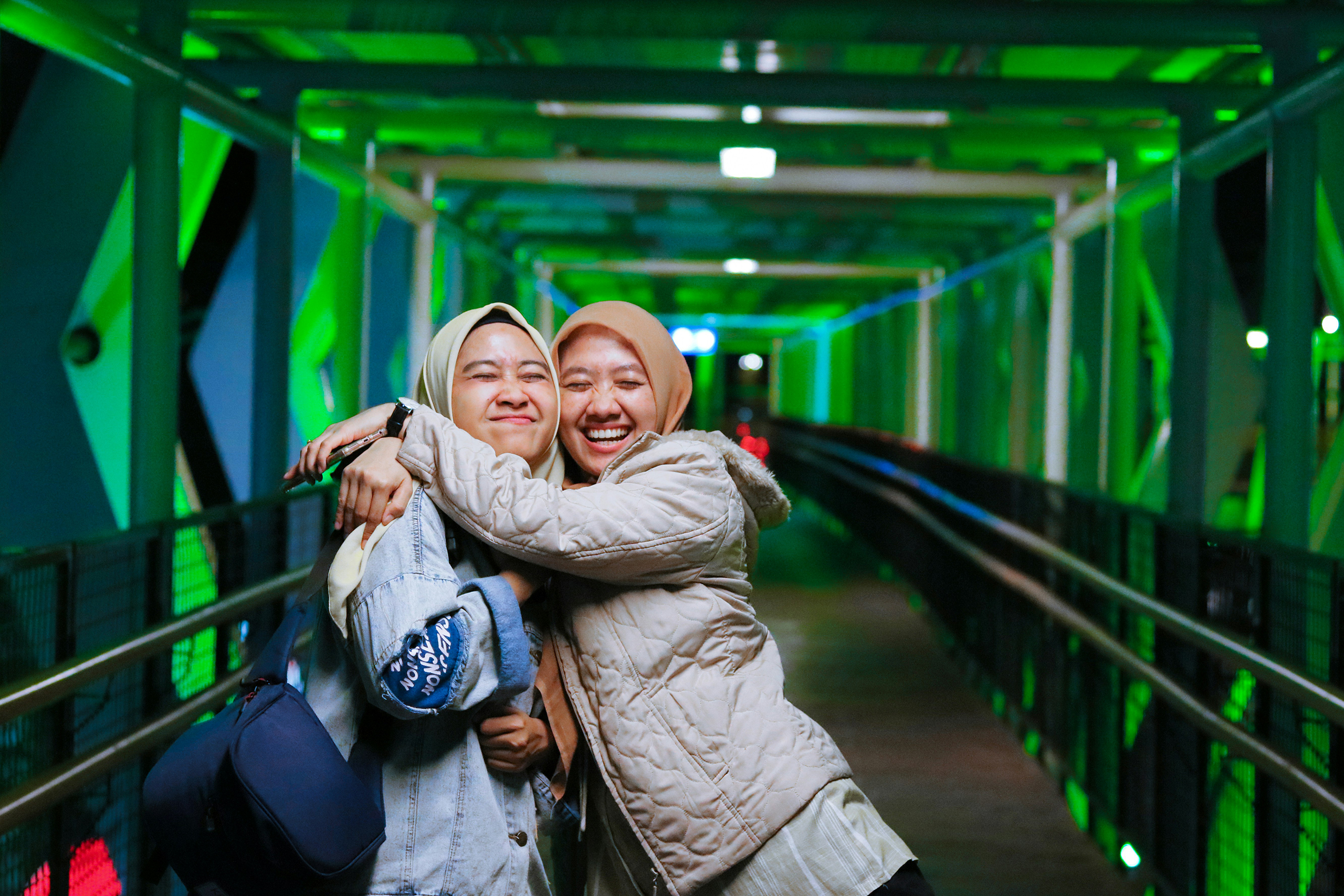
There’s no denying that the climate for DEAI work has changed. The world feels fragile – politically, economically and socially. People are overworked. Budgets are tight. Leaders are fearful of being labelled or dragged into culture-war crossfire. And as “inclusion fatigue” sets in, it’s tempting to retreat to safer ground – to quietly drop “equity” from the brand narrative or reframe accessibility as “nice to have”.
This is something that will be debated in one of our opening sessions entitled Everyone’s Welcome, or are they? by a powerhouse panel of commentators from different parts of the industry.
The truth is, fear is bad for business. Travellers are watching, listening and making choices based on values. Today, seven different generations are getting out into the world together for the first time. And Gen Z and Millennial audiences are redefining what loyalty looks like – and they reward authenticity over performative gestures every time. In an increasingly crowded marketplace, inclusion isn’t a burden; it’s a competitive advantage.
From purpose to performance
Last year, I led a rallying cry for the travel industry to evolve from purpose talk (lip service) to performance impact (action). The business case for diversity has been proven time and again in every vertical: diverse leadership teams outperform homogenous ones; inclusive campaigns attract new audiences; accessible destinations enjoy longer visitor stays and higher satisfaction rates.
But what’s missing isn’t proof – it’s follow-through. Too many brands are still caught in the trap of symbolic allyship, content to “celebrate diversity” whenever it suits them, then carry on with business as usual. The future belongs to those who move beyond mission statements and embed DEAI in the mechanics of how they operate every day – who they hire, how they tell stories, who they invite to the table. Inclusion must be strategy, not sentiment.
The power of representation
Tourism, at its core, is rooted in storytelling. The stories we tell about the world shape how people move through it – and who feels welcome along the way. Yet diversity in travel remains frustratingly limited. Too often, “diverse representation” is reduced to stock imagery or hashtags rather than meaningful shifts in who gets to shape narratives from behind the lens or keyboard.
Authentic storytelling matters because it builds trust. It creates resonance. It reminds travellers that the world is theirs to explore – not just those who look a certain way, love a certain way or move through the world in a certain body.
At this year’s DEAI Summit, a powerful fireside conversation titled More Than a Hashtag will tackle this head-on – with particular focus on the media – exploring how travel media can move beyond tokenism and make racial diversity a core tenet of creative integrity, not a fleeting trend.

Intersectionality in focus
One of the biggest opportunities ahead – and one of the hardest challenges – is understanding that diversity is not one-dimensional. The future of LGBTQ+ travel, for example, cannot simply be a glossy replay of white, cisgender gay men on the beach. Real inclusion means recognising the full spectrum of identities – BIPOC travellers, queer families, transgender and non-binary people, those with disabilities, immigrants and more.
Intersectionality forces us to confront how multiple forms of marginalisation overlap – and how our industry, often unintentionally, perpetuates exclusion even as it celebrates progress. The keynote session Not just one story will challenge that status quo, offering practical ways to build tourism ecosystems that are welcoming to every traveller, not just the ones who fit the most marketable mould.
The inclusive advantage
Inclusion is economically smart, fact. Destinations and brands that embrace DEAI are unlocking entirely new traveller segments and cultivating fierce loyalty. Diversity drives innovation, resilience and adaptability.
The panel The inclusive advantage will showcase leaders who’ve turned inclusivity into a competitive edge, sharing how measurable impact and profitability emerge when “welcome” truly means everyone.
This is where the conversation must go next: how we take inclusion from principle to practice and firmly plant it in our business strategies.
Destinations with heart
There are shining examples of places already doing this well. From Iceland’s inclusive approach to community-driven tourism, to Malta’s efforts in LGBTQ+ inclusion and accessibility, to Thailand’s new strides in blending belonging with cultural hospitality.
These destinations have proven that in a competitive marketplace, inclusion is a growth strategy.
The session Destination with heart will lift the lid on these success stories, showing how inclusion builds stronger communities, more sustainable economies and ultimately more authentic visitor experiences.
From compliance to compassion
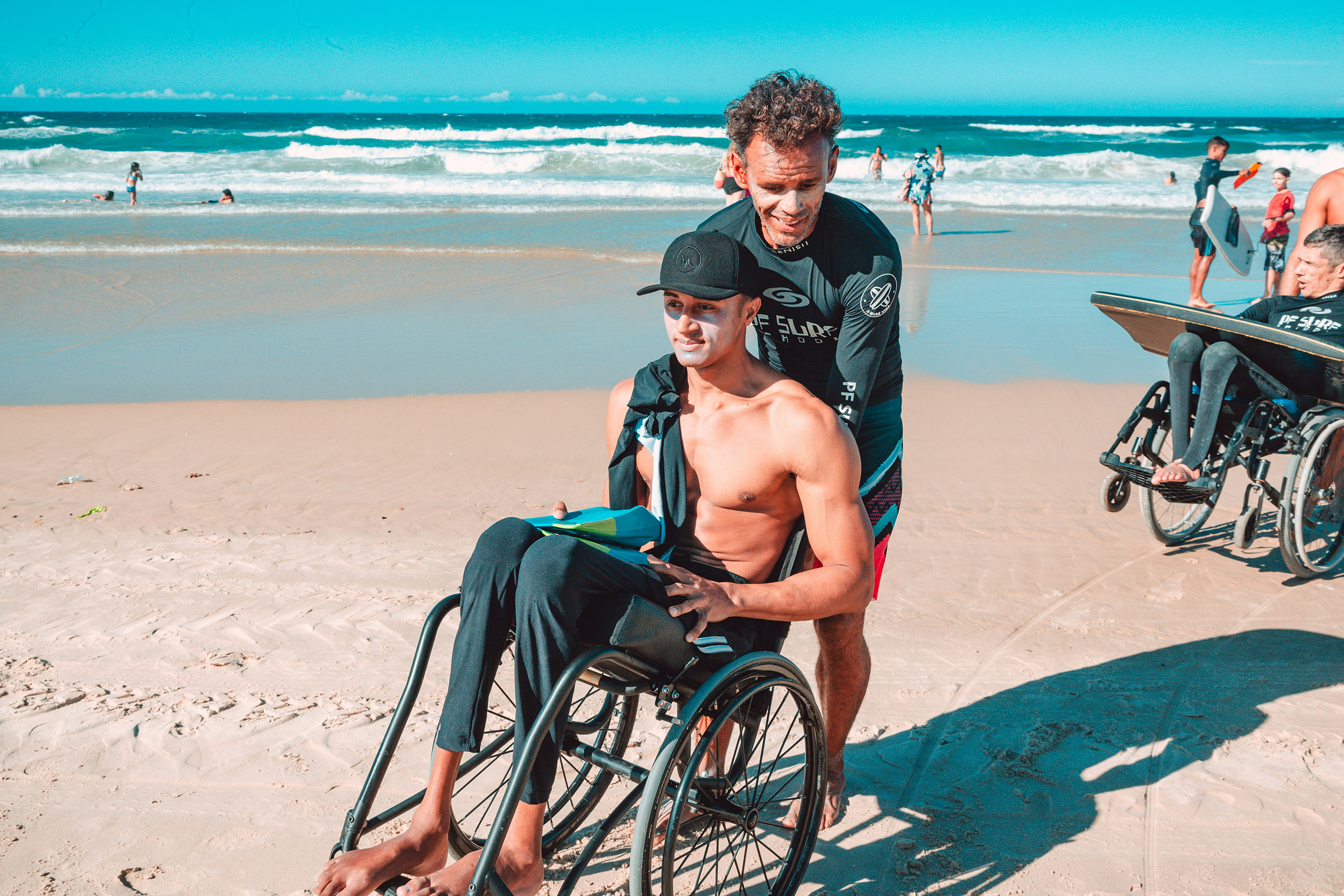
Finally, but perhaps the most importantly right now, accessibility. Too often, it’s framed as a legal requirement rather than an opportunity for transformation. True accessibility is about empathy, innovation and connection – creating travel experiences that empower rather than accommodate people of all abilities. The closing session From compliance to compassion will explore what it really means to design for everyone, not as an afterthought but as a philosophy.
The search for answers
So, what does the future hold for DEAI in tourism? Perhaps that’s the wrong question. The real question is: what will we do with it, in this moment?
The world is more complex than ever but travel still holds the power to unite, to open hearts and to remind us of our shared humanity. That power is only realised when the industry itself models the inclusion it preaches.
At this year’s WTM DEAI Summit on Wednesday 5th November on the Orange Stage, I assure you that the conversation won’t be comfortable. Nor should it be. It will be honest, challenging and crucially actionable. The speakers and sessions we’ve put together will bring some of the most thoughtful, provocative and passionate voices in global tourism. They’re not here to rehearse old talking points. They’re here to reimagine what comes next.
Because belonging shouldn’t be an aspiration in travel. It should be the baseline.
Uwern Jong (he/him) is Experientialist®-in-Chief of OutThere (www.OutThere.travel) and inclusive tourism advocate. He returns as WTM London’s DEAI Summit Advisor.