


Tina O’Dwyer, WTM Sustainability Track Advisor
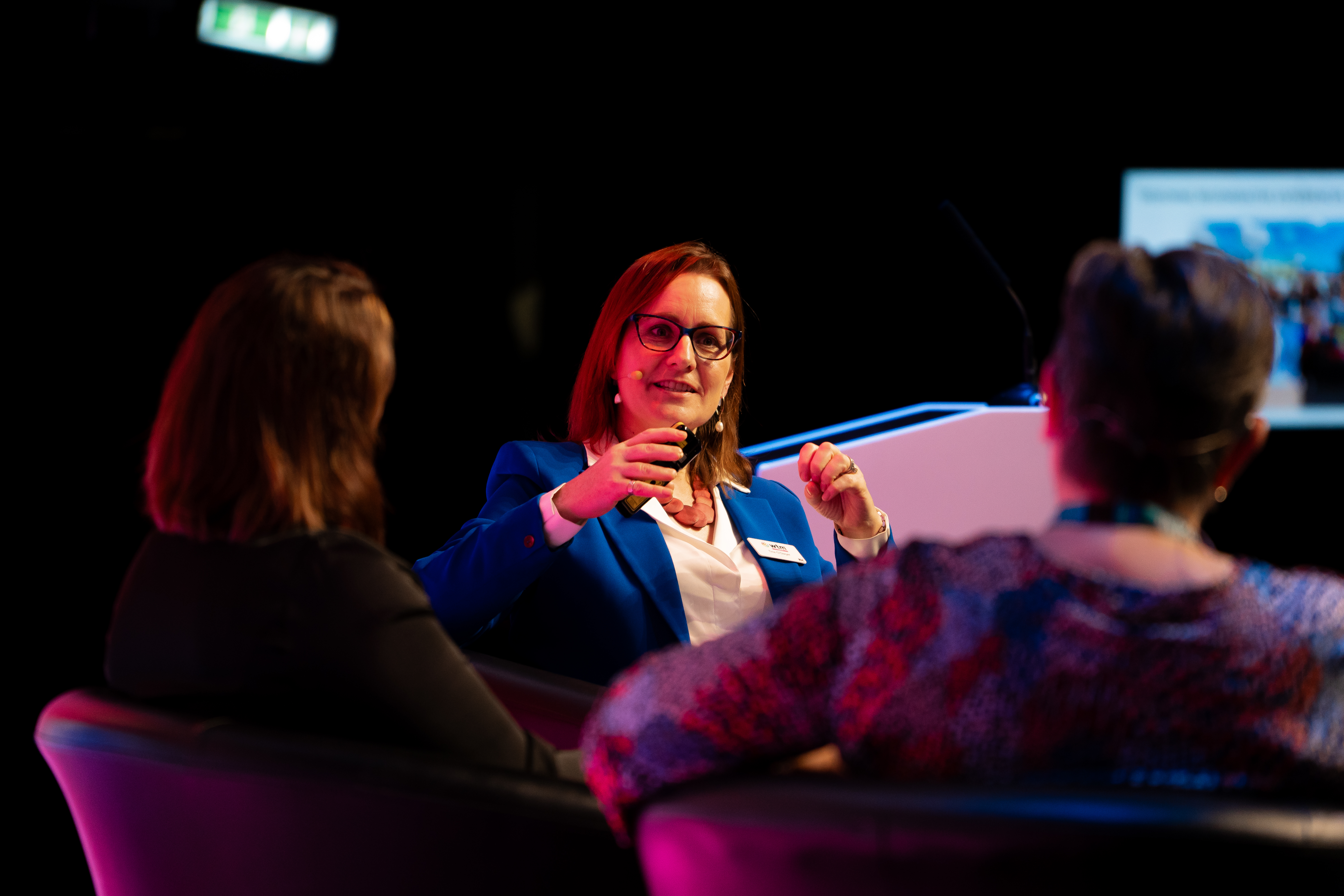
For years, sustainable tourism has been the rallying cry of an industry under pressure to do better. It gave us language, tools, and frameworks that reshaped how we think about impact. But what happens when the disruptor becomes the establishment? When the language of sustainability itself risks becoming tired, formulaic, even counterproductive?
That’s the provocation at the heart of this year’s WTM Sustainability Summit. It’s time to ask whether sustainable tourism, as we’ve known it, has reached its limits and what must evolve beyond it.
The Blindspots We Can’t Ignore
Sustainability was always about challenging assumptions. Yet in becoming mainstream, it has created blindspots of its own.
We see it when sustainability is reduced to compliance: certifications, audits, and glossy reports that tick boxes while rarely change realities. We see it when it is treated as an add-on rather than a redesign – asking how can we keep doing what we already do, just a little greener? instead of what is tourism actually for in a world facing polycrisis?
The Summit is designed to surface blindsports and limitations and explore how to push beyond them in 5 Key Areas:
- Reframing Purpose
While Tourism is often seen as escape or leisure, it can also be a rehearsal space for different futures. What if its real purpose lies in building empathy, stretching imagination, and modelling new systems of living? When purpose is widened, tourism stops being only about minimising impact and starts being about creating change.
- Redefining Practice
Another blindspot may lies in how we measure success. Certification and reporting frameworks gave the sector structure, but they can also trap us in incrementalism. They offer structure, and also risk distracting from the bigger questions of value and impact.
New practices are emerging. Global coalitions are creating open-access data platforms to verify and share sustainability information at scale. Others are building models of accountability that prioritise credibility over claims. The future of practice will not be about rules for their own sake. It will be about rules that spark imagination and unlock innovation.
- Listening to Place
Perhaps the deepest blindspot has been the voice of place. Too often, tourism has spoken for communities instead of listening to them. Now places are speaking back. From Nepal to the Bahamas to Africa and the Middle East, communities are reclaiming the narrative, setting the terms of participation, and building offers grounded in reciprocity and belonging. These voices suggest a shift: the future of tourism will depend less on the scale of arrivals and more on the depth of relationships between visitors and those who steward place.
- Centring People
Sustainability can also falter if it overlooks the human layer – the everyday choices of travellers, employees, and businesses. Good intentions alone are not enough. Behavioural insights, inclusive design, and purpose-led experiences are showing how to shift norms and embed responsibility seamlessly into the traveller journey. The goal is not to hope people make the right choice, rather to make the better choice the easier one.
- Spotlighting Policy
No transformation is possible without policy. The fact that tourism now, since just last year, sits within its own EU Commission portfolio marks a significant step. It underlines the importance of aligning sustainability with policy at the highest level. What happens next will depend on how policymakers, businesses, and destinations choose to align their strategies with this shifting landscape.
Long Live Sustainable Tourism
So is sustainable tourism dead?
If sustainable tourism means only box-ticking and overused narratives, then it has reached the end of its usefulness.
If, however, we mean an ongoing commitment to re-examining purpose, re-imagining practice, listening to place, centring people, and aligning with policy that dares to be future-shaping, then it is very much alive.
The real work now is to move beyond the slogans and create a tourism that is credible, resilient, and grounded in the realities of place and community.
The Summit will close by distilling the day into five decisive moves: sharper alternatives to tired assumptions, designed to give leaders language and tools they can take straight back into their strategies.
The WTM Sustainability Summit is your opportunity to confront what no longer works, hear diverse voices alongside global leaders, and help shape the language and tools that will carry the sector forward.
- Date & Time: Tuesday 4 November, 11:15 – 14:30
- Location: Purple Theatre, WTM London
- Theme: Sustainable Tourism Is Dead. Long Live Sustainable Tourism.
Tina O’Dwyer, Tina O’Dwyer and Founder of The Tourism Space

Tina O’Dwyer is a recognised leader in sustainable and regenerative tourism, serving the industry as a Strategic Advisor, Trainer, Coach, Facilitator, and Speaker.
As the Founder and CEO of The Tourism Space, Tina leads an international consultancy providing accredited training and bespoke solutions to government departments, public sector agencies, not-for-profit organisations, European Institutions, and EU-funded projects.
Tina’s early career in blue-chip organisations and educational institutions laid a strong foundation for her transition to tourism in 2009. Over the 15 years since then, she has been at the forefront of sustainable tourism development in Ireland.
Her pioneering work with the Burren Ecotourism Network and the Burren & Cliffs of Moher Geopark (2011-2018) established her as a pragmatic and motivational change-maker. As a leading contributor to the EU-funded Burren Tourism for Conservation project, she helped earn accolades such as the European Destination of Excellence Award and National Geographic World Legacy Award.